The Definitive Guide to the Best Time for a Tour Komodo Island: May to October
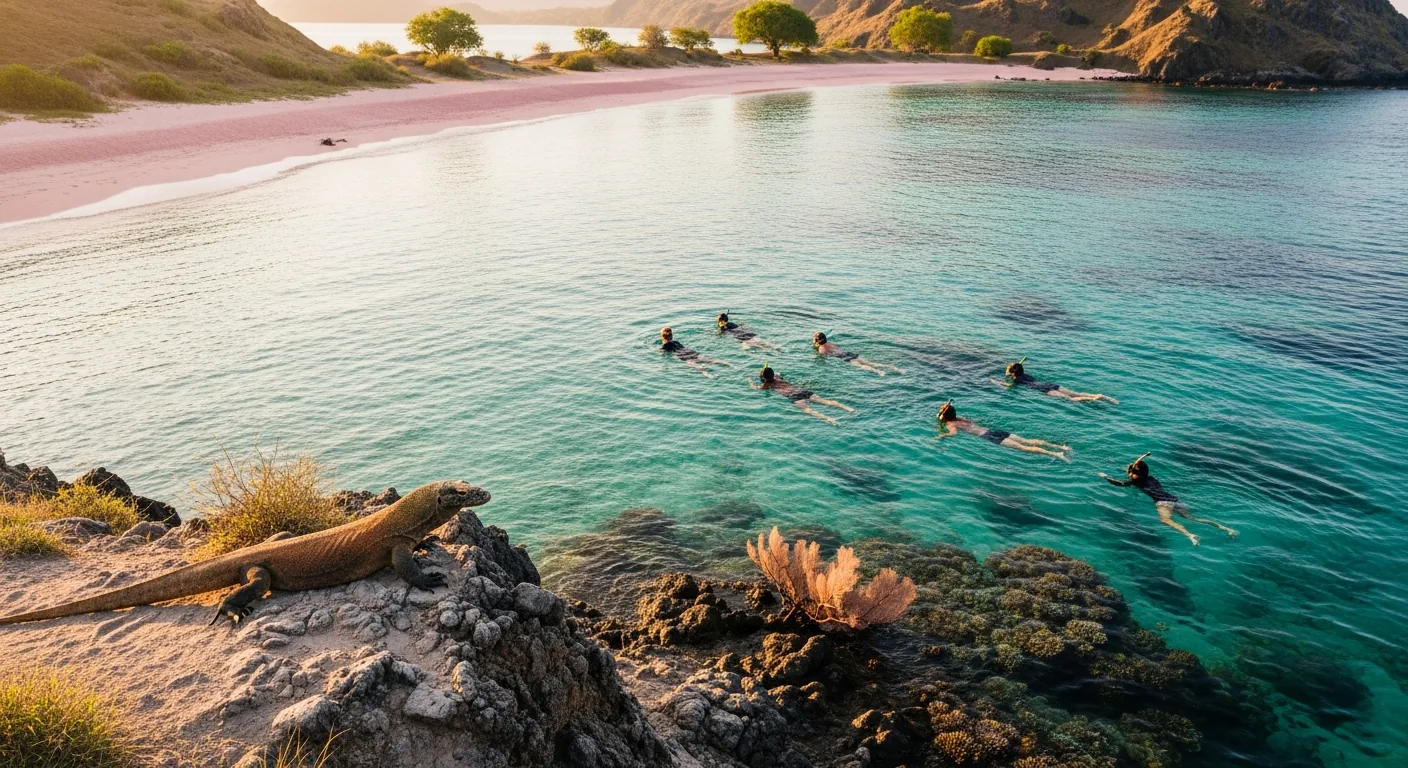
The phinisi schooner cuts a silent path through the Flores Sea, its twin masts stark against a sapphire sky. It is 7 a.m. The sun, having just cleared the rugged peaks of the Lesser Sunda Islands, casts a warm, honeyed light across the water. On the horizon, the distinct, tri-bay silhouette of Padar Island materializes from the morning haze. This is the scene that defines Komodo National Park, a UNESCO World Heritage site since 1991. Yet, the quality of this experience—the clarity of the water, the activity of the wildlife, the solitude of the moment—is not a matter of chance. It is a matter of timing. The critical question for any discerning traveler planning a tour Komodo Island is not simply if they should go, but precisely when.
nuances of the archipelago’s climate is the difference between a standard holiday and a truly exceptional expedition. While the region is accessible year-round, the period between May and October presents the most favorable conditions. This dry season window, however, is not monolithic. Each month offers a distinct character, influencing everything from the color of the landscape to the behavior of the Komodo dragons and the congregation of manta rays. Selecting the right weeks for your Komodo island tour requires a deeper understanding of these subtle, seasonal shifts. See also: Tour Komodo Island About.
Decoding the Dry Season: Why May to October is the Prime Window for Komodo
Komodo National Park, a protected area covering 1,733 square kilometers of terrestrial and marine ecosystems, operates on a tropical monsoon climate. This translates into two dominant seasons: a wet season from roughly November to April, and a dry season from May to October. While the term “wet season” can conjure images of incessant downpours, it’s more characterized by short, intense afternoon showers and higher humidity. The primary challenge during this period is not the rain itself, but its effects: rougher seas, which can lead to uncomfortable crossings and canceled boat trips, and reduced underwater visibility for snorkelers and divers. See also: Contact.
Conversely, the dry season delivers precisely what a Flores Sea adventure demands. From May onward, the southeasterly trade winds usher in a period of climatic stability. Daily temperatures hover around a pleasant 30°C (86°F), rainfall is minimal, and humidity drops. The sea, released from the wet season’s churn, flattens to a calm, crystalline state, making for smooth sailing between the 29 islands of the park. This period offers the most reliable conditions for reaching iconic sites, whether you’re on a swift komodo island day trip from Labuan Bajo or a multi-day liveaboard expedition. The consistent sunshine not only illuminates Padar Island’s panoramic viewpoints but also penetrates the water, creating exceptional visibility—often exceeding 30 meters—at world-renowned dive sites like Batu Bolong and Castle Rock.
A Month-by-Month Analysis of Komodo’s Dry Season
Understanding the broader dry season is foundational, but a more granular, month-by-month perspective allows for strategic planning. The six-month window can be segmented into three distinct phases, each with its own merits for a tour Komodo Island.
Early Dry Season: May – June
This is the archipelago at its most vibrant. Emerging from the wet season, the islands are covered in a verdant, almost impossibly green carpet. The rolling hills of Padar and Gili Lawa, which will later turn to a burnished gold, are lush and full of life. This period represents a sweet spot for photographers and those who appreciate dramatic landscapes. Visitor numbers are lower than the peak months of July and August, affording a greater sense of seclusion at popular spots like Pink Beach, whose color comes from microscopic organisms called Foraminifera. Marine conditions are excellent, with clear, calm waters ideal for snorkeling.
Peak Season: July – August
These two months represent the absolute peak of the dry season in terms of both weather and visitor numbers. The climate is at its most stable, with virtually no rain and continuous sunshine. This is also the height of the Komodo dragon mating season. The males of the species (Varanus komodoensis) become more active and territorial, increasing the chances of witnessing dynamic behavior, including dramatic clashes for dominance. With a total park population of just over 3,000 dragons, seeing these creatures is a near certainty, but this period often provides more memorable encounters. The trade-off is the influx of international travelers. Booking a private charter or a small-group komodo dragon tour is highly recommended to mitigate the crowds. Accommodation in Labuan Bajo and liveaboard vessel availability are at a premium; securing reservations 4-6 months in advance is essential. Expect to pay a premium of 15-25% on tours and lodging compared to the shoulder months.
Late Dry Season: September – October
As the season winds down, the landscape transforms. The lush green of May gives way to a stark, savanna-like beauty of golden-brown grasses, a powerful aesthetic in its own right. The air remains dry and the seas calm. The most significant advantage of this period lies beneath the waves. The water temperatures, consistently between 25-28°C, and specific currents create plankton-rich upwellings, particularly around Manta Point. This attracts large aggregations of Reef Manta Rays (Mobula alfredi), which can have wingspans of up to 5 meters. September and October are widely considered the absolute best months for snorkeling and diving with these gentle giants. The crowds from the summer peak have dissipated, returning a sense of tranquility to the park. A padar pink beach tour in October can feel like a private discovery.
Aligning Your Itinerary with the Season: Day Trips vs. Multi-Day Tours
The optimal duration of your tour Komodo Island depends on your objectives, budget, and the time of year. While a day trip provides a condensed glimpse, a multi-day liveaboard unlocks the park’s full potential, allowing access to remote sites and experiences impossible to rush.
| Feature | Komodo Island Day Trip | 3D2N Liveaboard Tour | 4D3N Expedition Tour |
|---|---|---|---|
| Best For | Travelers with limited time; a snapshot of the main sites. | A comprehensive experience balancing key sites and relaxation. | Divers, photographers, and those seeking deeper immersion. |
| Key Inclusions | Padar Island, Komodo/Rinca Island, Pink Beach, 1 snorkel stop. | All day-trip sites plus Taka Makassar, Manta Point, Kanawa Island. | All 3D2N sites plus remote dive spots, northern islands, more treks. |
| Manta Ray Probability | Low to moderate. Depends on specific itinerary and season. | High, especially on itineraries with a dedicated Manta Point visit. | Very High. Multiple opportunities and prime timing. |
| Crowd Exposure | High. Itineraries follow the most popular routes and timings. | Moderate. Overnight stays allow for early morning/late afternoon site visits. | Low. Itineraries can be customized to avoid peak times and locations. |
| Estimated Cost (USD) | $120 – $180 per person | $650 – $1,200 per person (private charter) | $900 – $2,000+ per person (private charter) |
Komodo Dragon Encounters: Seasonal Behavior and Viewing Success
The Komodo dragon, the world’s largest lizard, is the park’s main terrestrial attraction. Reaching lengths of 3 meters (10 feet), these apex predators are a compelling sight. Your chances of a quality encounter are high year-round, but their behavior shifts with the seasons. During the May-June period, they are often seen basking to regulate their body temperature. The peak activity, as noted, is the July-August mating season. Post-mating, from September onwards, female dragons guard their nests, often dug into hillsides or the base of megapode bird mounds. This can make them harder to spot on the move, but knowledgeable local rangers, who are mandatory for any trek on Rinca or Komodo islands, are adept at locating these nesting sites from a safe and respectful distance. A komodo dragon tour in September offers a different, more educational perspective on their life cycle.
Marine Conditions: Visibility, Currents, and Manta Ray Migrations
For many, the world beneath the surface is as much a draw as the dragons themselves. Komodo National Park sits within the Coral Triangle, an area with the highest marine biodiversity on Earth. The dry season ensures the best conditions for exploring it. See also: see Tour Komodo Island’s Home.
- Visibility: From May to October, underwater visibility is consistently excellent, frequently exceeding 30 meters. This clarity transforms snorkeling and diving, revealing the full spectrum of color in the coral gardens and the sheer abundance of marine life.
- Currents: Komodo is famous for its strong currents, which are the very source of its rich marine ecosystem. These currents are predictable and manageable during the dry season, and experienced boat captains and dive masters from a reputable operator like Tour Komodo Island know how to work with them safely.
- Manta Rays: While present year-round, the concentration of manta rays at cleaning stations like Manta Point peaks from September to October. The slight cooling of the water and plankton blooms during this period create a reliable feeding ground, offering some of the most consistent manta encounters available anywhere.
Practical Considerations for Your Dry Season Tour Komodo Island
With the optimal timing identified, a few logistical details will ensure a seamless experience. Planning your tour Komodo Island requires some foresight, especially during the peak months.
- Booking Window: For travel in July and August, it is crucial to book flights and tours at least 3-6 months in advance. For the shoulder months of May, June, September, and October, a 2-3 month lead time is generally sufficient.
- Park Fees: All visitors must pay fees to enter Komodo National Park. This includes a daily entrance ticket (approx. IDR 150,000 on weekdays, higher on weekends/holidays), plus local government taxes and activity fees for trekking and snorkeling. A reputable tour operator will typically bundle these for clarity, but it’s wise to confirm. Expect total daily fees to be around $25-35 USD per person.
- Travel Logistics: The gateway to the park is the town of Labuan Bajo (Komodo Airport, IATA: LBJ) on the western tip of Flores Island. Daily flights connect Labuan Bajo with Bali (Ngurah Rai International Airport, IATA: DPS) on airlines such as Batik Air, Citilink, and Indonesia AirAsia. The flight duration is approximately 1 hour.
- Packing Essentials: The sun is intense. High-SPF, reef-safe sunscreen is non-negotiable. Also essential are a wide-brimmed hat, polarized sunglasses, a reusable water bottle, light long-sleeved layers for sun protection, and sturdy footwear for the trek on Padar Island.
Secure Your Definitive Komodo Experience
Choosing the right time to visit Komodo National Park is the first and most critical step in crafting an extraordinary expedition. The dry season from May to October offers a canvas of calm seas, clear skies, and vibrant wildlife. By aligning your travel dates with your specific interests—be it the lush landscapes of May, the dramatic dragon behavior of August, or the manta ray aggregations of September—you can elevate your trip from a simple visit to a deeply resonant experience.
Let our expertise guide your planning. The team at Tour Komodo Island possesses the deep, localized knowledge to craft an itinerary that matches the season and your aspirations. Contact us to begin designing your private charter or to reserve a place on one of our curated small-group tours.
Tour Komodo Island
Phone: +62 811-3941-4563
Email: [email protected]
Office: Jalan Sunset Road No. 88, Kuta, Badung, Bali 80361